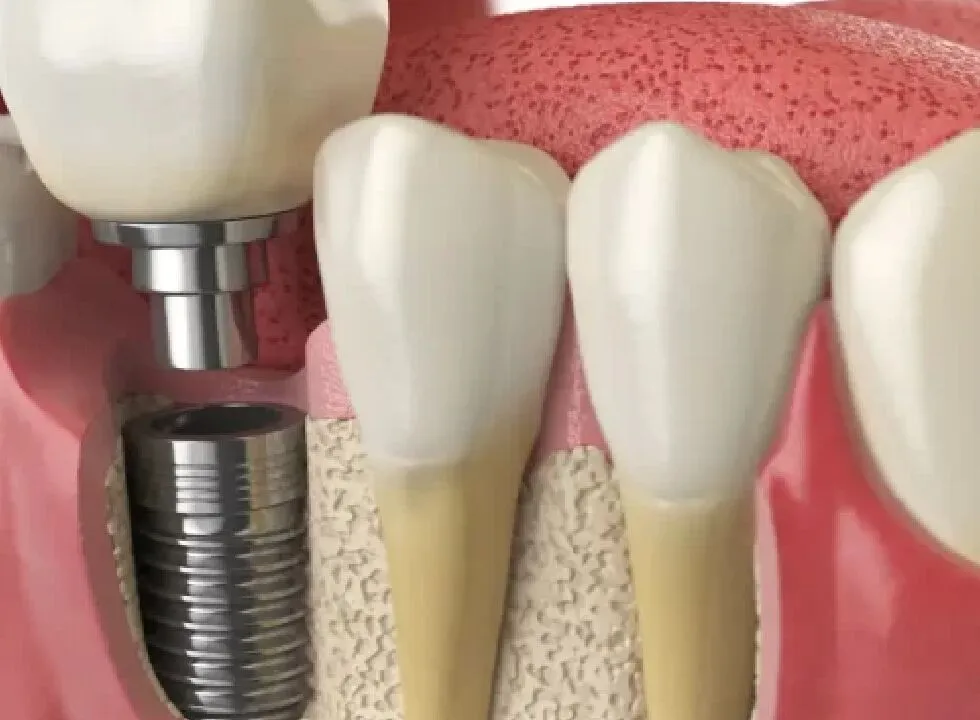
Choosing how to replace missing teeth brings up a lot of questions. One option sits on gums and comes out at night. The other stays fixed inside the jawbone. Both solve the same problem but work very differently. Costs, comfort, daily care, and how long they last all matter.
Here is a straight talk comparison to help decide which path fits better. This honest look at implant dental solutions versus dentures will clear the confusion.
What dentures do well?
Dentures give a full set of teeth at a lower starting price. They work fine for someone who wants a simple, removable solution. No surgery needed. Just take measurements, craft the appliance, and wear it. Cleaning happens outside the mouth with a brush and soaking solution. For basic chewing and smiling, dentures get the job done.
Where dentures fall short:
Dentures slip and click during eating or talking. Soft foods are okay, but hard or sticky items cause trouble. The roof of the mouth gets covered, which changes how food tastes. Gums shrink over time, so dentures loosen and need relining or replacement every few years. Nightly removal and morning insertion become a lifelong routine.
What implant dental offers?
Small metal posts go into the jawbone. These posts fuse with bone over several months. A single crown, a bridge, or a full fixed arch attaches on top. Nothing moves. Chewing pressure reaches the jaw, keeping bone dense and healthy. No slipping, no clicking, no food restrictions. Clean these just like natural teeth with brushing and flossing.
Real costs to consider:
Dentures have a lower upfront price but add relines, adhesives, and replacements every five to seven years. Implant dental costs more at the start, but the structure lasts twenty years or longer with proper care. Fewer visits to the dentist for adjustments. No monthly cream or paste purchases. Over a decade, the price gap shrinks noticeably.
Daily life differences:
With dentures, meals require extra thought. Sticky bread or tough meat can loosen the appliance. Gums may feel sore after a long day of wear. Speaking takes practice to avoid clicking sounds. Implants work like normal teeth. Eat an apple, laugh out loud, and speak freely. Nothing to remove at night. Morning routines stay simple.