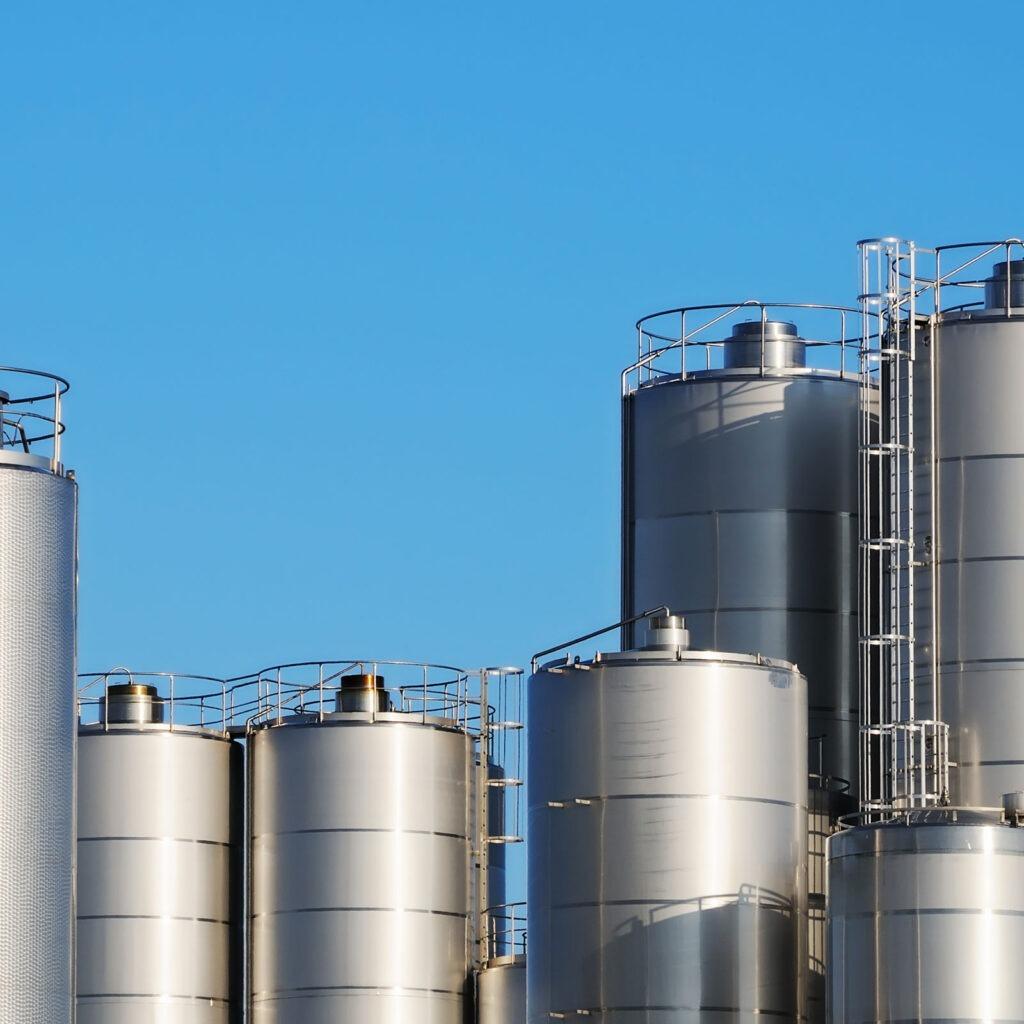
Handling fuel is a serious responsibility. One wrong move can lead to fire, injury, or environmental damage. Operators control thousands of liters of flammable liquid. They manage complex equipment under varying conditions. Their skills directly affect safety and efficiency. This key role demands comprehensive training to manage every aspect of a fuel diesel tank.
Safety protocols and emergency response
Every operator must know how to handle spills, fires, and leaks. Training should cover fire extinguisher use, first aid, and evacuation plans. Operators practice emergency shutdown procedures until they become automatic. Quick reactions save lives. Regular drills keep skills sharp and reduce panic during real events.
Operational procedures and equipment handling
Operators learn the correct way to fill, drain, and monitor tanks. Training covers pump operation, valve control, and gauge reading. Proper handling prevents overfills and spills. Operators practice daily checks to catch small issues early. Knowing how each part works helps them spot problems before they grow.
Environmental protection and spill prevention
Spills harm the environment and carry heavy fines. Training teaches operators how to prevent leaks and contain accidents. They learn to use spill kits and secondary containment systems. Proper disposal methods are covered in detail. Environmental awareness becomes second nature. This protects the land and the business.
Regulatory compliance and documentation
Rules govern every aspect of tank operations. Operators must know local and national regulations. Training covers permit requirements, inspection schedules, and reporting procedures. Accurate record keeping is a key skill. Operators learn to maintain logs for fuel usage, maintenance, and safety checks. Good documentation proves compliance and avoids legal trouble.
Maintenance and inspection routines
Regular maintenance prevents breakdowns and extends tank life. Operators learn to inspect tank exteriors, piping, and fittings. Training covers checking for corrosion, leaks, and wear. They practice cleaning filters and testing monitoring systems. A trained eye catches rust or damage early. This reduces repair costs and downtime.
Communication and teamwork
Operators rarely work alone. Training includes clear communication with supervisors, maintenance teams, and delivery drivers. Operators learn to give accurate reports and ask for help when needed. Good teamwork prevents misunderstandings. Clear handoff procedures ensure nothing is missed during shift changes. This creates a safer, more efficient workplace.